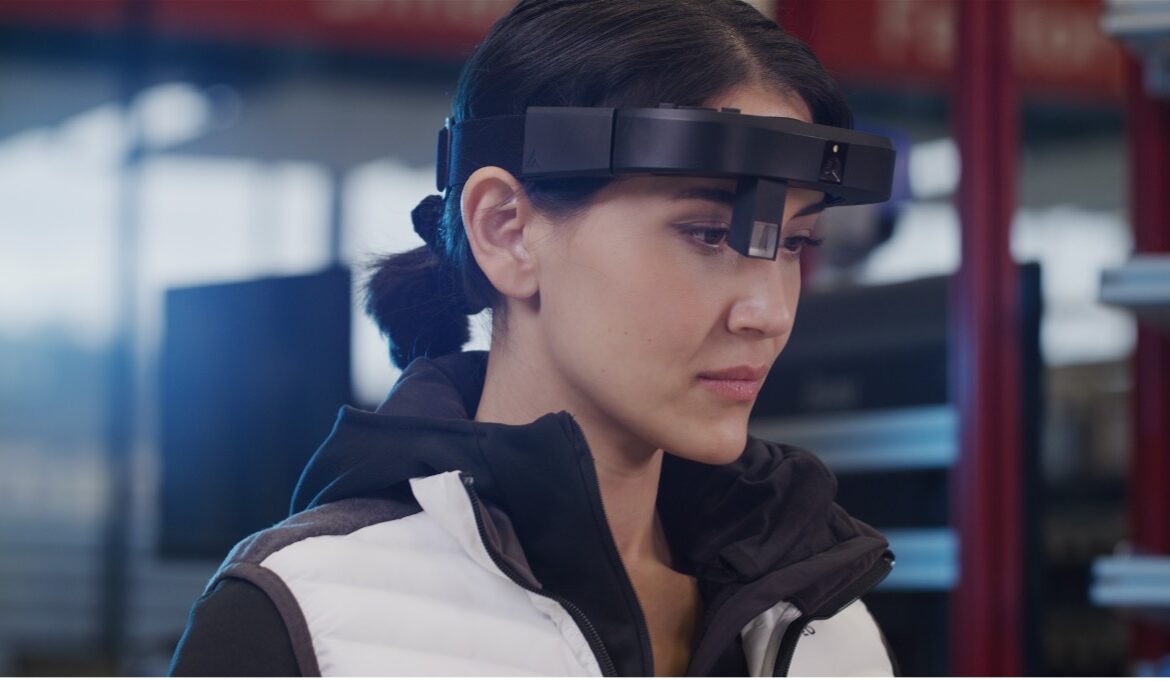
The advent of Extended Reality (XR) technologies is transforming industries across the globe. One area where XR is making significant strides is in industrial training. The XR5.0 project, a pioneering initiative funded by the European Union, is at the forefront of this revolution, aiming to enhance industrial training through the integration of cutting-edge XR technologies. This initiative not only promises to elevate the skill sets of the industrial workforce but also ensures that training processes are safer, more efficient, and highly effective.
The XR5.0 project is designed to harness the potential of XR technologies, which encompass Virtual Reality (VR), Augmented Reality (AR), and Mixed Reality (MR), to provide immersive and interactive training experiences. These technologies enable trainees to engage with realistic simulations of industrial environments and equipment, allowing them to practice and perfect their skills in a risk-free setting.
Virtual Reality (VR) immerses users in a fully simulated environment, enabling trainees to experience complex industrial scenarios without the associated risks. For instance, VR can simulate hazardous environments where trainees can learn safety protocols and emergency responses without exposure to actual danger.
Augmented Reality (AR) overlays digital information onto the physical world, providing real-time assistance and guidance. In an industrial training context, AR can offer step-by-step instructions or highlight critical components of machinery, enhancing the learning experience and reducing the likelihood of errors.
Mixed Reality (MR) blends the real and virtual worlds, allowing for interactive simulations that can be manipulated and explored. This technology can create highly detailed and dynamic training modules, where trainees can interact with both physical and virtual elements to gain a deeper understanding of industrial processes.
A key component of the XR5.0 project is the collaboration with the Swiss Smart Factory (SSF), LNS, and ALMER. These three partners form a pilot within the project, focusing on training for maintenance purposes. This collaborative pilot provides a real-world environment where the latest XR technologies can be demonstrated, tested, and refined. It is instrumental in bridging the gap between theoretical research and practical application, ensuring that the innovations developed are both effective and feasible in real industrial settings.
The SSF, LNS, and ALMER allow for extensive testing of XR-based training modules, enabling researchers and industry experts to evaluate their effectiveness and make necessary adjustments. This iterative process ensures that the final training solutions are optimized for the specific needs of various industrial sectors. Moreover, these facilities serve as a showcase for these technologies, demonstrating their potential to industry stakeholders and encouraging broader adoption.
The XR5.0 project isn’t just about using current XR technologies; it’s also focused on innovating and overcoming challenges. Here’s how the project aims to advance XR:
- Realism and Interactivity: Enhancing the visual and tactile realism of VR, AR, and MR environments to make training more immersive and engaging. This includes improvements in graphics, touch feedback, and sensors.
- Customization and Scalability: Creating XR solutions that can be tailored for different industries and easily scaled up. This involves developing flexible training modules that can be adjusted to fit various needs.
- User Experience and Accessibility: Making XR training tools easy to use for everyone, regardless of their background. This means designing intuitive user interfaces and supporting multiple languages and accessibility features.
- Data Analytics and Feedback: Using data to monitor how well trainees are doing and providing instant feedback. This helps identify areas where trainees can improve and personalizes their learning experience.
By focusing on these areas, XR5.0 aims to push the boundaries of what’s possible with XR, making training more effective and adaptable for the industrial workforce.
The XR5.0 project, with its focus on leveraging XR technologies, has far-reaching implications for the future of industrial training. By providing a safe, immersive, and interactive training environment, XR can significantly enhance the effectiveness of training programs, leading to better-prepared and more competent workers. This, in turn, can result in higher productivity, improved safety, and reduced operational costs for industries.
Moreover, the collaboration with facilities like the Swiss Smart Factory, LNS, and ALMER ensures that these technological advancements are rigorously tested and refined before being implemented on a wider scale. This collaborative approach not only accelerates the development of effective training solutions but also fosters a culture of innovation and continuous improvement within the industrial sector.
The XR5.0 project is a testament to the transformative potential of XR technologies in industrial training. By creating immersive and interactive training experiences, XR can address many of the challenges associated with traditional training methods. The partnership with the Swiss Smart Factory, LNS, and ALMER further strengthens this initiative, providing a robust platform for testing, refining, and demonstrating these technologies. As the project progresses, it promises to set new standards for industrial training, ensuring that the workforce is equipped with the skills and knowledge needed to thrive in an increasingly complex and dynamic industrial landscape.